
Cheap things not worth buying, even when they are $10
Cheap things not worth buying: single-use gadgets, trend items and safety gear with no markings. Skip these even at $10, and here is why.
Hamza Idrissi3 min read
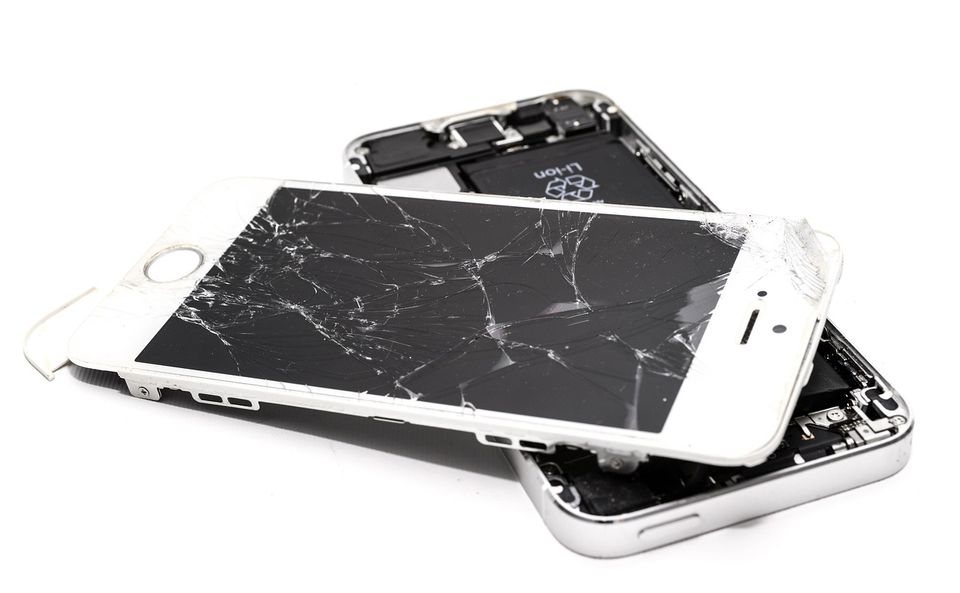
Which cheap things are not worth buying? Three kinds: gadgets that do one job you rarely do, items that fall apart in weeks, and anything that claims to keep you safe with no marks or proof.
A $10 item you use once costs $10 a use. A $40 item you use 400 times costs 10 cents a use. Price is not what makes something cheap or expensive.
What to skip
- Single-use kitchen gadgets. Egg slicers, avocado tools and banana hangers. A knife and a plate do the same job.
- Trend items. Anything tied to this month's fad. They tend to be in a drawer by spring.
- No-name chargers and power strips. These are electrical items. Without safety marks, you are guessing. See how to buy a safe phone charger.
- Items with big health claims. A cheap gadget that says it measures blood pressure or "detoxes" is almost never what it says.
- Very thin versions of heavy-use items. A 10 dollar umbrella or suitcase can break on first use. Check the walk-away signs in is the cheap version a smart buy or a trap.
One reason it matters
The main cost is not the $10. It is the space, the clutter and the second purchase when the first one fails. Many people buy the cheap one, replace it, then buy the good one anyway. That is three purchases for one need.
Quick check before you add it to the cart: can you name three times in the next month you will use it? If not, skip it.
Where the answer flips
Cheap is fine when the job is simple and the item has no moving parts or safety role. A spatula, a dish brush, a plain mug or a pack of microfiber cloths do their job at the lowest price. Our list in things worth buying under $25 has more.
It also flips when you are borrowing or trying something. If you are not sure you will like a hobby, buy a cheap or used starter. The goal is to learn, not to own it for life.
Quick questions
Is anything under $10 worth buying?
Yes. Basic tools, cleaning cloths, simple kitchen utensils and plain storage are all fine. Judge by use, not by price.
How do I tell a gadget will end up in the drawer?
If it does one thing and you do that thing less than once a week, it will.
More to read
Keep reading
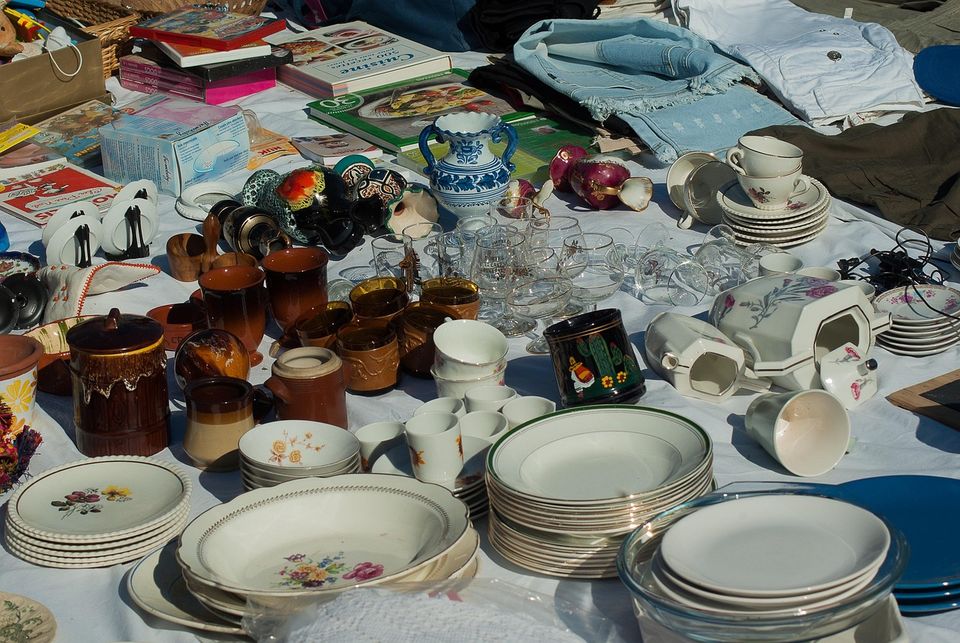
When secondhand beats new, and when it does not
What to buy used to save real money, what to always buy new, and a short check to run before you pay a seller. Solid, simple items are the best used buys.
Manon Lambert3 min read
Is the cheap version a smart buy or a trap?
Seven red flags that a cheap product will fall apart, and a few signs that the low price is fine, so you can tell a smart cheap buy from a trap.
Hamza Idrissi2 min read

How to shop a sale without overspending
How to shop a sale without overspending: a list of what you need, a cost-per-use check and a 24-hour rule that stop 50% off from costing you more.
Hamza Idrissi6 min read

Spend or save: a verdict on 20 everyday buys
Quick verdicts on 20 common purchases, from mattresses to phone cases, so you know where extra money helps and where the cheaper option is fine.
Hamza Idrissi2 min read
Cost per use, explained with real numbers
Cost per use is the price divided by how many times you use it. Here is how to work it out, with round example numbers, and where the math breaks down.
Hamza Idrissi3 min read
What is worth spending more on, and what is not
A simple way to decide what is worth spending more on and where the cheap option does the same job, using cost per use and a few clear rules.
Hamza Idrissi2 min read