
How to shop a sale without overspending
How to shop a sale without overspending: a list of what you need, a cost-per-use check and a 24-hour rule that stop 50% off from costing you more.
Hamza Idrissi6 min read

A $60 jacket at 50% off costs $30. If you did not need a jacket, you just spent $30 you did not have to spend. The discount did not save you money. It moved the money out of your account.
Here is how to shop a sale and keep the savings real. The short version: list first, check cost per use, wait a day.
Make the list before you open the app
A sale is built to make you want things. A list is built to stop that. Write down what you need this month, before you see a single price.
Keep it short. Three to six items is normal. Put a rough price limit next to each one.
When you shop, only buy what is on the list. If it is not on the list, it goes on a "maybe" note, not in the cart.
Ruling: no list, no sale. If you cannot name what you are shopping for, you are browsing, and browsing costs money.
Check the real discount
Sellers show a "was" price next to the "now" price. The "was" price is often a number the item rarely sold at. A big percentage tells you little.
Do this instead:
- Look at the same item at two or three other shops.
- Look at similar items at a normal price.
- Ask: would I pay the sale price on a normal day?
Example numbers only: a blender is "$80, now $50". Similar blenders sit around $45 to $55 all year. The 37% discount is not a discount. You are paying a normal price.
Ruling: compare the sale price with what similar items cost, not with the crossed-out number.
Run the cost-per-use check
For anything over about $20, divide the price by how many times you will use it. We cover the method in cost per use, explained.
Example numbers only:
| Item | Sale price | Uses | Cost per use |
|---|---|---|---|
| Winter boots | $60 | 150 | $0.40 |
| Bread maker | $50 | 5 | $10.00 |
| Backpack | $40 | 300 | $0.13 |
| Party outfit | $35 | 2 | $17.50 |
The boots and the backpack are good sale buys. The bread maker and the outfit are not, even though the price is low. The question is never "is it cheap". It is "will it get used".
Ruling: if you cannot guess at least 20 uses for a non-food item, skip it.
Use the 24-hour rule
Put it in the cart. Close the tab. Come back tomorrow.
Most sales run longer than a day, and the ones that do not will be back. Black Friday style events repeat through the year. If an item is gone by tomorrow, it was not meant to be yours.
Two things usually happen overnight. Either you forget about it, which means you did not want it. Or you still want it, and you buy it with a clear head.
For bigger buys, such as a laptop or a mattress, wait a week.
Ruling: if you still want it after a night's sleep and it is on the list, buy it.
Know which things are good sale buys
Sales are best for items you buy on a schedule and that do not go bad:
- Shoes and coats at the end of a season.
- Basic clothes you wear every week.
- Things you were going to replace anyway, such as sheets or a kettle.
- Items with a long life, such as luggage or a knife.
Sales are a poor fit for:
- Trend items that will look dated next year.
- Bulk food you cannot finish.
- Gadgets with one use.
- Anything you are buying because you "might" use it.
If you are not sure whether an item is worth a higher price at all, read what is worth spending more on. It shows where full price makes sense and where it does not.
Ruling: buy the boring things you already needed. Skip the fun things you just discovered.
Watch for tricks that make you spend more
- Free shipping minimums. Adding a $15 item to get free $6 shipping costs you $9 more. Only do it if you wanted the item.
- "Buy 3, save more". Fine for things you use up. Not fine for three of something you only need once.
- Countdown timers. Many are marketing. A timer on a page does not mean the price will really change.
- Store credit and "points". These push you to spend again. Treat them as a small discount, not as free money.
- Bundles. A bundle can be cheaper per item, but only if you wanted every item in it.
Ruling: every offer that asks you to spend more to save is a spend, not a save.
Where the answer flips
Skip the 24-hour rule when you are buying a repeat item you know well. Your usual shampoo is on sale? Buy it. No need to think.
Skip the list when something you have been watching, and have already put on a wish list, drops to your target price. That was planning, not impulse.
And if the sale is on a used item, check the condition first. When secondhand beats new has a short checklist.
Common mistakes
- Shopping the sale "just to look".
- Buying a size or color because it was the only one left.
- Counting the discount as money earned. You still spent the rest.
- Forgetting the return window. Check it before you pay.
- Buying a cheaper item that is also a worse item. See is the cheap version a smart buy or a trap.
Quick questions
Is it better to wait for a bigger sale?
For items that are not urgent, often yes. But waiting only pays if you do not need the item now. A missing winter coat in December cannot wait for March.
How do I know a "was" price is real?
You cannot always tell. Compare with other shops and with similar items. If the sale price matches what others charge every day, the discount is small.
Should I buy things I will need later because they are on sale?
Only if they keep well and you are sure to need them. Think paper goods or a basic tool. Do not stock up on things that expire, go out of style or change with each new model.
What if I already overspent?
Check the return window. Most shops allow returns for a period, and the rules differ by shop. Return anything that is not on your list.
More to read
Keep reading
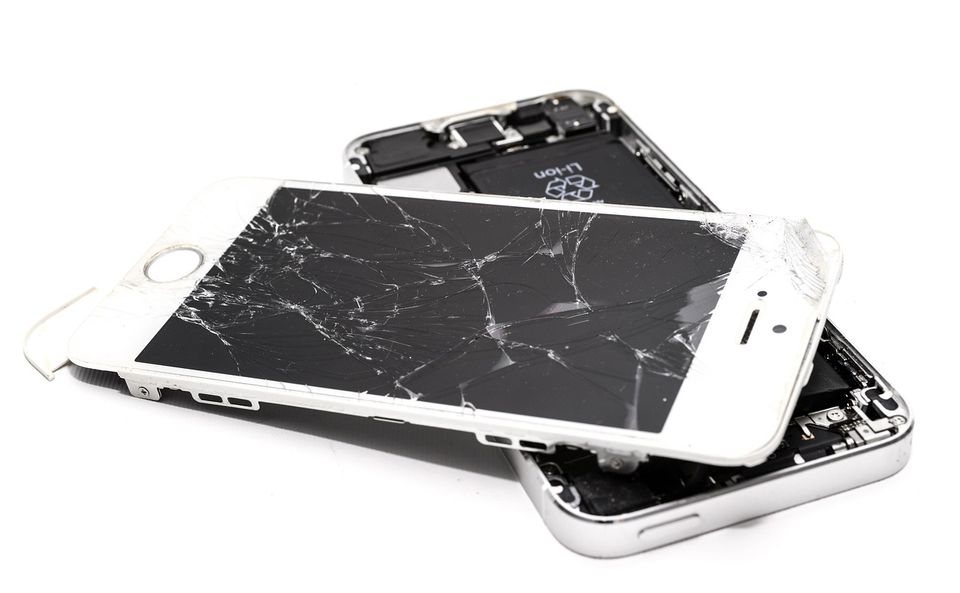
Cheap things not worth buying, even when they are $10
Cheap things not worth buying: single-use gadgets, trend items and safety gear with no markings. Skip these even at $10, and here is why.
Hamza Idrissi3 min read
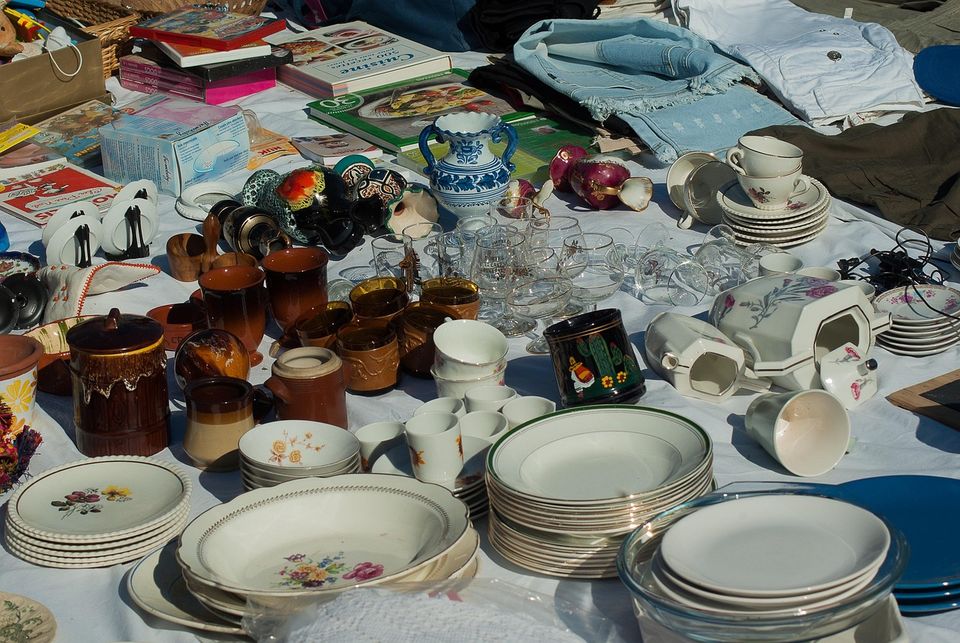
When secondhand beats new, and when it does not
What to buy used to save real money, what to always buy new, and a short check to run before you pay a seller. Solid, simple items are the best used buys.
Manon Lambert3 min read
Is the cheap version a smart buy or a trap?
Seven red flags that a cheap product will fall apart, and a few signs that the low price is fine, so you can tell a smart cheap buy from a trap.
Hamza Idrissi2 min read

Spend or save: a verdict on 20 everyday buys
Quick verdicts on 20 common purchases, from mattresses to phone cases, so you know where extra money helps and where the cheaper option is fine.
Hamza Idrissi2 min read
Cost per use, explained with real numbers
Cost per use is the price divided by how many times you use it. Here is how to work it out, with round example numbers, and where the math breaks down.
Hamza Idrissi3 min read
What is worth spending more on, and what is not
A simple way to decide what is worth spending more on and where the cheap option does the same job, using cost per use and a few clear rules.
Hamza Idrissi2 min read