
What is worth spending more on, and what is not
A simple way to decide what is worth spending more on and where the cheap option does the same job, using cost per use and a few clear rules.
Hamza Idrissi2 min read
Everyone has a budget. The trick is not spending less on everything. It is spending more in a few places and less in the rest.
Work out the cost per use
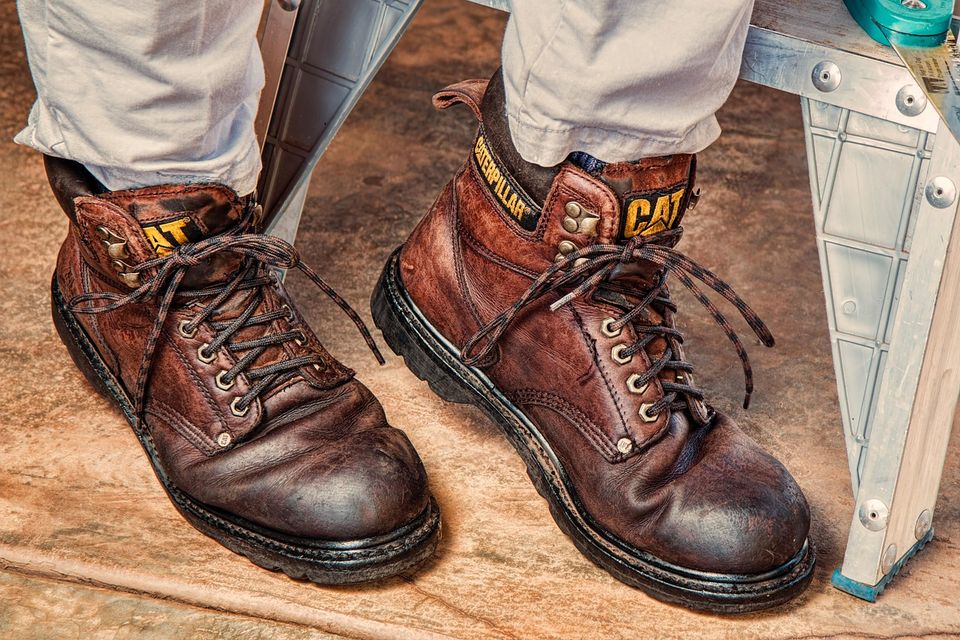
A $120 pair of boots worn 300 times costs 40 cents per wear. A $20 pair that falls apart after 10 wears costs $2 each time. The cheaper price tag was the expensive choice.
Before you buy, ask how often you will really use it. If the answer is "most days," paying more usually makes sense. If it is "a few times a year," it usually does not.
Spend more on these
- Things that touch your body for hours: shoes, mattresses, pillows, office chairs and bags you carry daily.
- Things that keep you safe: helmets, smoke alarms, car tires and anything that carries weight.
- Tools you will use for years: a good kitchen knife or a solid drill beats a drawer full of weak ones.
Save on these
- Trend items. If it will look dated in a year, buy it cheap or secondhand.
- Gadgets you will use twice. Borrow, rent or buy the basic version.
- Anything where the cheap and pricey version do the same job. Plain basics like kitchen towels or phone stands rarely need a premium version.
Three quick checks before you pay more
- Does the higher price buy something you can name, like better materials, a longer warranty or a better fit?
- Do reviewers who have owned it for a year say it lasted?
- Is there a mid-priced option that gets you most of the way there?
If you cannot name what the extra money buys, it is probably not worth it.
Make it a habit
Pick the one or two categories where quality matters most to you and set a higher limit for them. Set a tight limit everywhere else. Over a year, that does more for your budget than hunting for deals on everything.
More to read
Keep reading
Cheap things not worth buying, even when they are $10
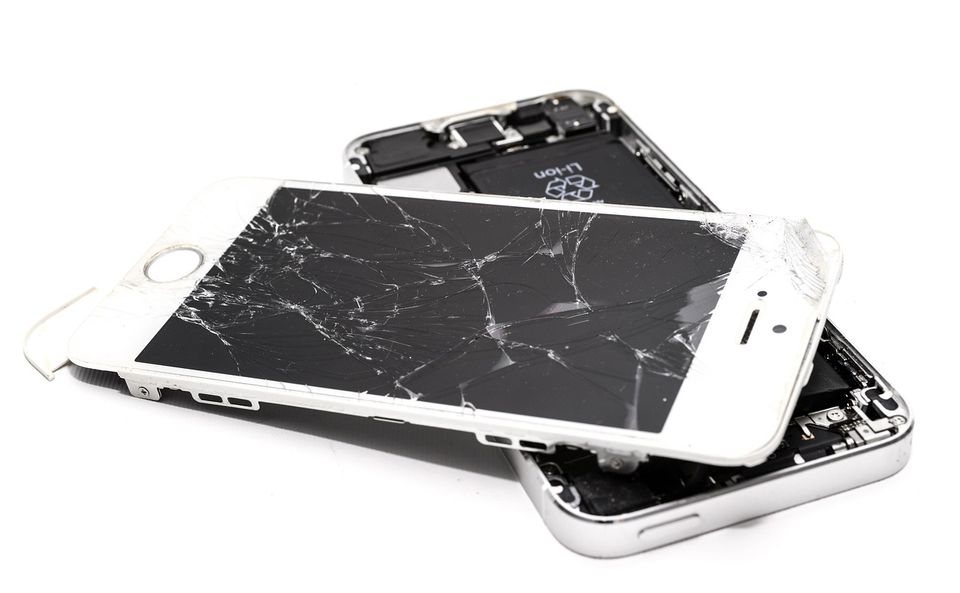
Cheap things not worth buying: single-use gadgets, trend items and safety gear with no markings. Skip these even at $10, and here is why.
Hamza Idrissi3 min read
When secondhand beats new, and when it does not
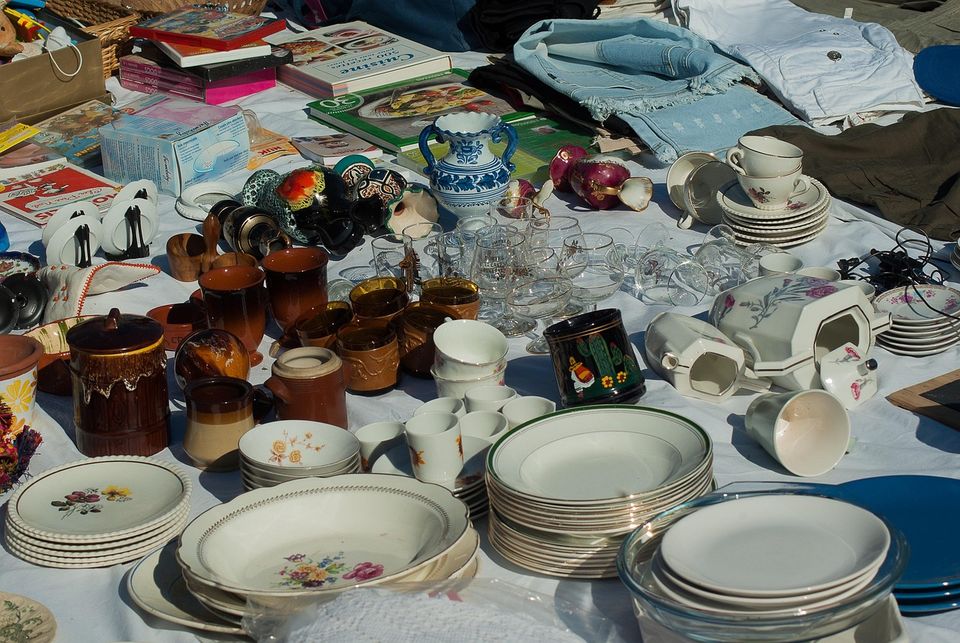
What to buy used to save real money, what to always buy new, and a short check to run before you pay a seller. Solid, simple items are the best used buys.
Manon Lambert3 min read

Is the cheap version a smart buy or a trap?
Seven red flags that a cheap product will fall apart, and a few signs that the low price is fine, so you can tell a smart cheap buy from a trap.
Hamza Idrissi2 min read

How to shop a sale without overspending
How to shop a sale without overspending: a list of what you need, a cost-per-use check and a 24-hour rule that stop 50% off from costing you more.
Hamza Idrissi6 min read

Spend or save: a verdict on 20 everyday buys
Quick verdicts on 20 common purchases, from mattresses to phone cases, so you know where extra money helps and where the cheaper option is fine.
Hamza Idrissi2 min read
Cost per use, explained with real numbers
Cost per use is the price divided by how many times you use it. Here is how to work it out, with round example numbers, and where the math breaks down.
Hamza Idrissi3 min read