
Is the cheap version a smart buy or a trap?
Seven red flags that a cheap product will fall apart, and a few signs that the low price is fine, so you can tell a smart cheap buy from a trap.
Hamza Idrissi2 min read

Cheap is not the problem. Cheap with no reason is.
A $12 spatula is fine. A $12 "smartwatch" that claims to track blood pressure is not. One does a simple job. The other promises something it almost certainly cannot do.
Walk away if
- The price is half of every similar item and nothing explains it. Someone is cutting a corner. Often it is safety or materials.
- The reviews all arrived in the same few days. Real reviews trickle in over months.
- The reviews praise everything and mention nothing. "Great product, fast shipping" tells you nothing.
- The brand name looks like a random string of letters. Not always bad, but check how long the seller has existed.
- It plugs into a wall and has no safety mark. Chargers, heaters and power strips need certification. Skip any without it.
- It makes a medical or miracle claim. A cheap gadget that cures back pain is a story, not a product.
- There is no clear return policy. If you cannot send it back, you carry all the risk.
If you hit two of these, close the tab.
Signs the cheap one is fine
- It does one simple job, like holding, cutting or covering.
- Many owners mention it still works after a year.
- The maker offers a warranty or an easy return.
- The expensive version has the same listed materials.
- It is a plain basic with nothing to break, like a cotton towel or a mixing bowl.
Quick test: the one-year question
Search for the product name plus "after one year" or "broke". Read what comes up. If owners describe the same failure again and again, that is your answer.
A good cheap product has dull reviews. "Does what it says. Still works." Boring is a good sign.
When to pay more
Pay more when failure costs you something: a burn, a fall, a ruined phone or a wasted trip. This is why chargers and luggage sit in a different group than phone stands and kitchen towels. You can see it in the verdict table for everyday buys.
If you cannot decide, work out the cost per use of both options. The cheap one often loses once you count replacing it.
More to read
Keep reading
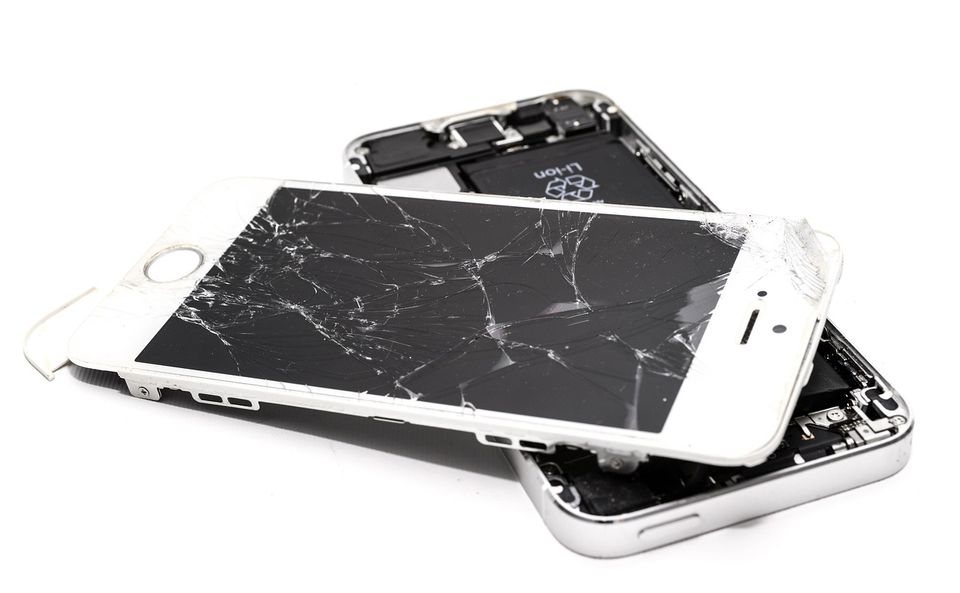
Cheap things not worth buying, even when they are $10
Cheap things not worth buying: single-use gadgets, trend items and safety gear with no markings. Skip these even at $10, and here is why.
Hamza Idrissi3 min read

When secondhand beats new, and when it does not
What to buy used to save real money, what to always buy new, and a short check to run before you pay a seller. Solid, simple items are the best used buys.
Manon Lambert3 min read

How to shop a sale without overspending
How to shop a sale without overspending: a list of what you need, a cost-per-use check and a 24-hour rule that stop 50% off from costing you more.
Hamza Idrissi6 min read

Spend or save: a verdict on 20 everyday buys
Quick verdicts on 20 common purchases, from mattresses to phone cases, so you know where extra money helps and where the cheaper option is fine.
Hamza Idrissi2 min read

Cost per use, explained with real numbers
Cost per use is the price divided by how many times you use it. Here is how to work it out, with round example numbers, and where the math breaks down.
Hamza Idrissi3 min read

What is worth spending more on, and what is not
A simple way to decide what is worth spending more on and where the cheap option does the same job, using cost per use and a few clear rules.
Hamza Idrissi2 min read