
Drugstore vs expensive skincare: where the extra money goes
Drugstore vs expensive skincare: a cheaper cleanser, moisturizer or sunscreen often does the same job. Here is where a higher price is worth paying.
Manon Lambert4 min read
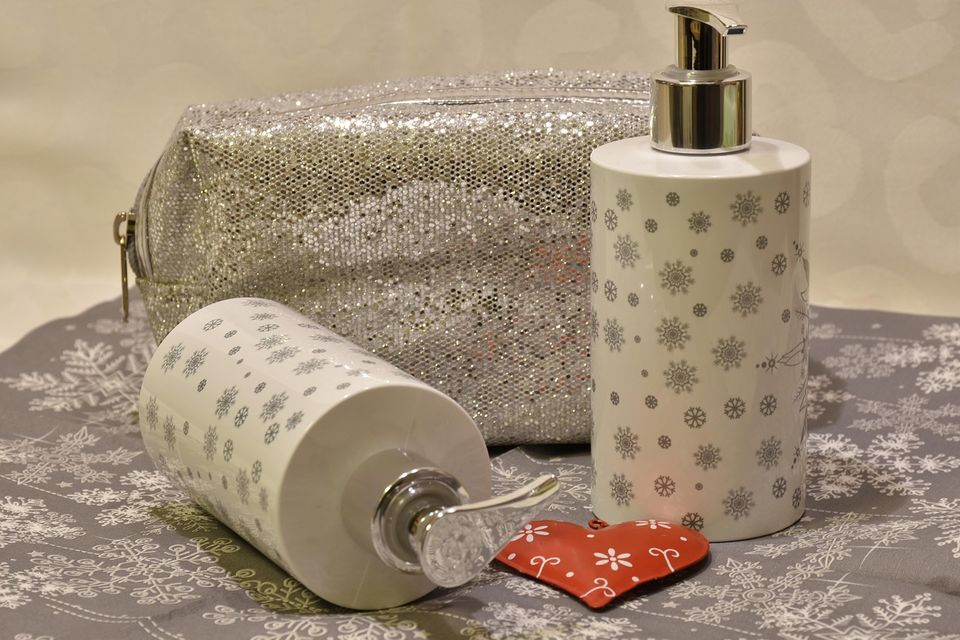
Verdict: drugstore wins on cleanser, moisturizer and sunscreen. Expensive can win on a few special treatments. In the drugstore vs expensive skincare question, the three basic steps cost little. The extras are where prices climb, and where you most need a reason.
This is general information, not medical advice. If you have acne, eczema or another skin condition, ask a doctor or dermatologist what to use.
Which wins on
| Step | Drugstore | Expensive | Winner |
|---|---|---|---|
| Cleanser | Does the job: it washes off dirt and oil | Nicer scent and texture | Drugstore |
| Moisturizer | Often has the same key ingredients | Fancy jar, perfume, small size | Drugstore |
| Sunscreen | Meets the same label rules | Lighter feel, no white cast | Drugstore, unless feel stops you using it |
| Treatments, such as retinoids | Available in lower strengths | Higher strengths or newer forms | Depends, ask a professional |
| Eye cream | Plain moisturizer works | Marketing claims | Drugstore |
| Fragrance | Often fragrance-free options | Often scented | Drugstore, for sensitive skin |
Pick drugstore if
- You are building a basic routine.
- Your skin is sensitive. Plain formulas are often gentler.
- You use a lot of product, such as body lotion or sunscreen.
- You want to try a product without a big commitment.
Pick the costly one if
- A dermatologist suggested a specific product.
- You are buying a treatment you will use for months, and it costs more per use in a way that is worth it. Check the math below.
- You will only use sunscreen if it feels light, and the pricey one does that. A sunscreen you wear beats one that stays in the drawer.
- You like the product and can afford it. Enjoyment is a real reason, as long as it does not push you over budget.
Where the extra money goes
Examples of what a higher price may pay for:
- Packaging. A heavy jar or pump.
- Scent and texture. Nice to use, not always better for skin.
- Marketing. Ads and celebrity names cost money.
- Research and testing. Some brands do spend on this, but the price is not proof.
- Small batches. Smaller size at a higher price per ounce.
The skin does not know the price. It responds to ingredients and how often you use them.
The rule that matters most: compare the ingredient list and the cost per use, not the brand.
A cost-per-use example
These are example numbers, not real prices. Say a face moisturizer is used once a day.
| Item | Price | Lasts | Cost per day |
|---|---|---|---|
| Drugstore moisturizer | $12 | 60 days | $0.20 |
| Expensive moisturizer | $60 | 60 days | $1.00 |
Over a year, that is about $73 against $365. The difference is $292. If both have similar ingredients, that money does more elsewhere. Our guide on cost per use shows how to run it for any product.
A short caution
Do not judge by the "natural" label or the "dermatologist tested" line. Those are marketing phrases, and they are not a guarantee of results. If a product stings, burns or causes a rash, stop and ask a professional. Reaction is the real test, not price.
Also, spending nothing is not always smart. Skipping sunscreen to save money costs more in the long run. See cheap sunscreen that works for a label check, and our routine under $50 for the order to buy things.
Quick questions
Is expensive skincare worth it?
For basics, usually not. For a targeted treatment a professional recommends, sometimes.
Can a cheap sunscreen protect as well as an expensive one?
Yes, if the label says broad spectrum and an SPF of 30 or higher. Use enough and reapply as the label says.
How do I know a product is good without paying more?
Read the ingredient list, look for simple formulas, and check reviews from people with your skin type. Try small sizes first.
Do I need an eye cream?
Most people do not. A plain moisturizer is enough for most skin, and a professional can advise if you have a concern.
More to read
Keep reading

Cheap sunscreen that works: what to look for on the label
How to read a sunscreen label, what SPF 30 and broad spectrum mean, and why a cheaper bottle can protect as well as a pricey one. General advice only.
Hamza Idrissi3 min read
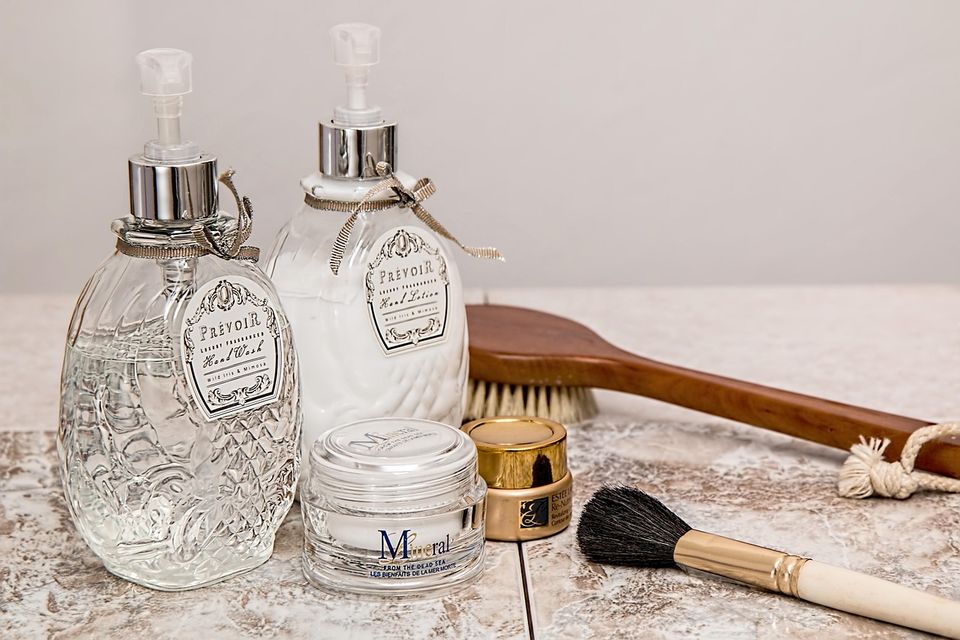
A basic skincare routine for under $50
Three products cover most needs: a cleanser, a moisturizer and a sunscreen. Here is what to buy first for a skincare routine under $50, and what to skip.
Hamza Idrissi2 min read
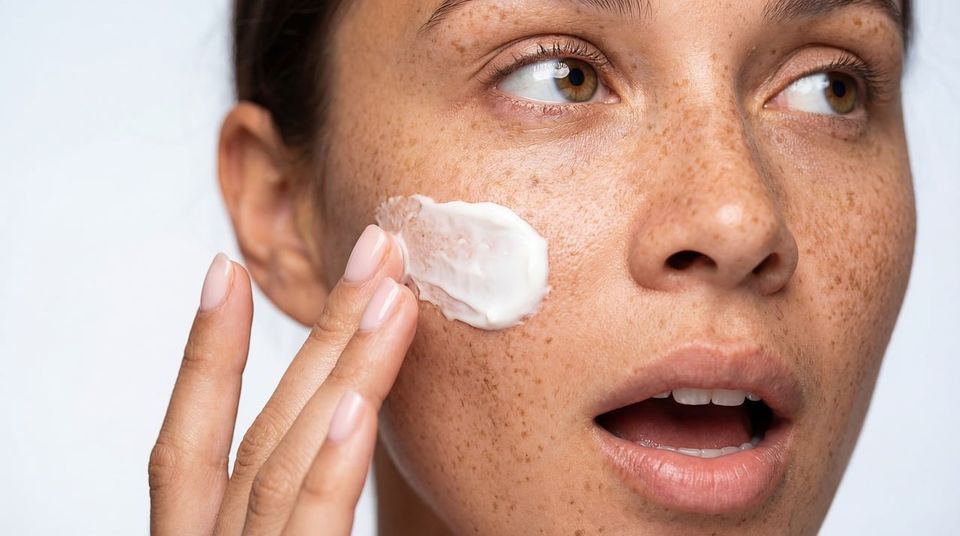
Moisturizer for dry skin on a budget: what to look for
Moisturizer for dry skin on a budget: which ingredients help, how to read a label, and when a plain cheap cream does the same job as a pricey one.
Manon Lambert5 min read
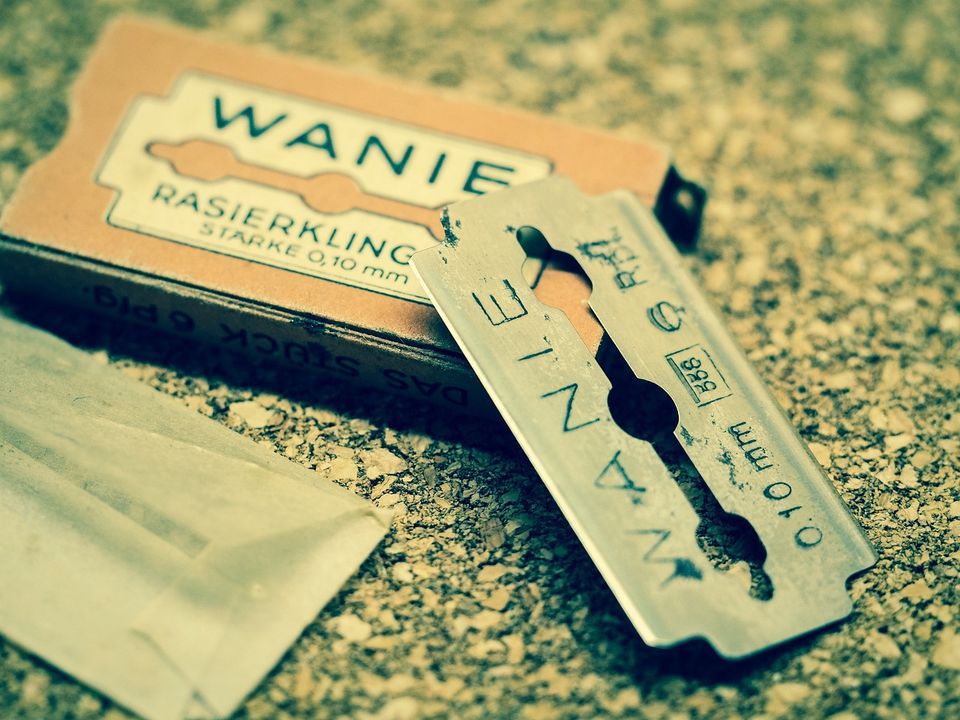
Cheap vs expensive razors: how to cut shaving costs
Cheap vs expensive razors: a basic razor with cheap blades usually shaves as well as a pricey system. Here is how to compare the cost per shave.
Hamza Idrissi3 min read
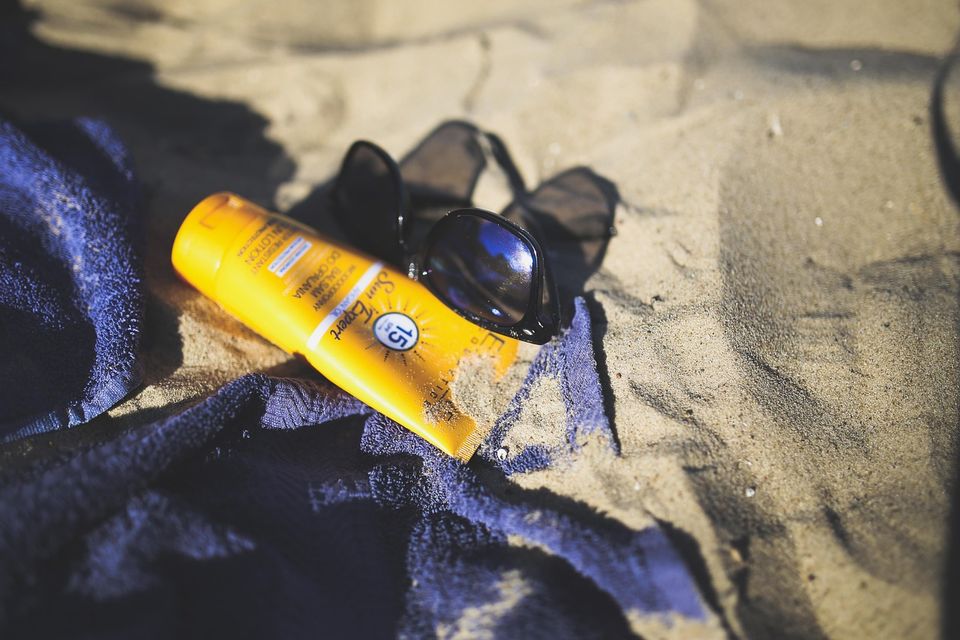
Does sunscreen expire? How to tell if yours is still good
Does sunscreen expire? Yes, and an old bottle may protect less. Check the date, the smell and the texture, and replace it when in doubt.
Manon Lambert2 min read
Cheap vs expensive shampoo: does the price matter
Cheap vs expensive shampoo: for most people a simple drugstore shampoo cleans as well as a salon one. Here is when to pay more and what to look for.
Hamza Idrissi3 min read