
Moisturizer for dry skin on a budget: what to look for
Moisturizer for dry skin on a budget: which ingredients help, how to read a label, and when a plain cheap cream does the same job as a pricey one.
Manon Lambert5 min read
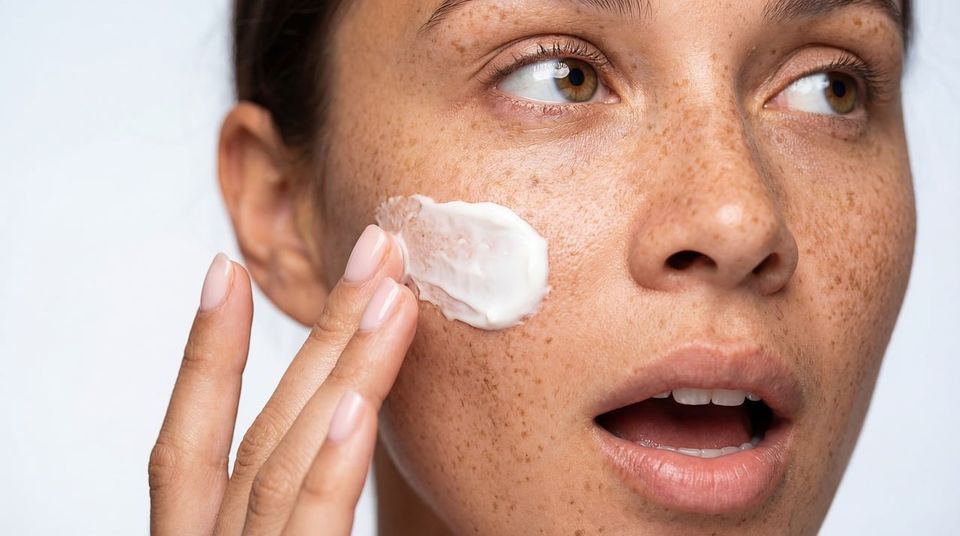
You do not need a $60 jar for dry skin. A plain $10 cream used every day usually does more than an expensive one used now and then. The right one is the one you will apply.
This is general information, not medical advice. If your skin is cracked, painful, very red or itchy, or you have eczema or another condition, talk to a doctor or dermatologist.
What does a moisturizer do?
Dry skin loses water faster. A moisturizer helps in two ways: it holds water in the skin, and it forms a layer that slows water loss. Most good creams do both with a mix of ingredients. Names vary, so it helps to know the main types.
| Type | What it does | Examples on a label |
|---|---|---|
| Humectants | Pull water in | Glycerin, hyaluronic acid |
| Emollients | Smooth and soften | Ceramides, fatty acids, shea butter |
| Occlusives | Seal water in | Petrolatum, dimethicone, mineral oil |
A good cream for dry skin usually has at least one from each group. Plain petroleum jelly is a pure occlusive, and many people use it over a cream on very dry spots.
Ruling: read the first five ingredients. You want to see a mix of the three types, not just water and perfume.
Cream, lotion or gel?
- Cream. Thick, in a tub or tube. Best for dry skin.
- Lotion. Thinner, in a pump. Fine for mild dryness or warm weather.
- Gel. Light and watery. Good for oily skin, usually too light for dry.
- Ointment. The thickest. Good for rough patches like heels and hands.
Rule of thumb: if you can scoop it, it is richer. If it pours, it is lighter.
Ruling: dry skin wants cream or ointment, not gel.
What to skip when your skin is dry
- Fragrance. Added scent can irritate dry or sensitive skin. Look for "fragrance free", not "unscented", which can still contain masking scents.
- Alcohol high on the list. Some alcohols dry the skin. Fatty alcohols, such as cetyl alcohol, are fine and often help.
- Strong actives you did not ask for. Acids and retinol belong in a separate step, if you use them at all.
- Big claims. "Reverses aging" is a marketing line, not a result.
Our basic skincare routine under $50 shows where the moisturizer fits with a cleanser and sunscreen.
How to use it so it works
- Wash gently with lukewarm water. Hot water dries skin.
- Pat dry, but leave the skin a bit damp.
- Apply the moisturizer within a few minutes.
- Use it morning and night. Use more on dry spots.
- Use sunscreen in the day. See cheap sunscreen that works.
Applying on damp skin helps hold water in. This is why the timing matters more than the brand.
Ruling: a cheap cream used twice a day beats a pricey one used twice a week.
Cost per use: a worked example
These are example numbers, not real prices.
| Product | Price | Size | Uses per jar | Cost per use |
|---|---|---|---|---|
| Plain cream | $12 | Large tub | 120 | $0.10 |
| Premium cream | $55 | Small jar | 60 | $0.92 |
If the ingredient list is similar, the extra $43 buys a nicer jar and scent, not more moisture. See cost per use, explained.
Where the answer flips
If your skin reacts to a product, stop and ask a professional. Prescription creams or special products may be needed, and they can cost less than trial and error.
If you have mild dryness in summer, a lighter lotion may feel better. If you have very dry hands from washing, a thick hand cream or ointment is a good targeted buy.
Common mistakes
- Switching products every week. Give a new one a few weeks unless it stings.
- Using too little. A thin film does not do much.
- Moisturizing only the face when the body is dry too.
- Buying by smell.
- Skipping moisturizer on oily skin. Oily skin can still be dehydrated.
How to test a new moisturizer
Do a small patch test before you use a new cream on your whole face. Put a little on the inside of your forearm or behind the ear for a day or two. If you see redness, itching or a rash, do not use it and ask a professional.
When you start a new cream:
- Change one product at a time, so you know which one caused a reaction.
- Use it for two to four weeks before you decide.
- Notice how your skin feels by evening, not just right after you apply it.
- Keep the receipt or order page. Most shops have a return window.
Ruling: one change at a time, a few weeks each.
Habits that help dry skin as much as the cream
- Take shorter, lukewarm showers. Hot water strips oils.
- Use a gentle cleanser, not soap bars with a strong scent.
- Run a humidifier in dry winter rooms if you have one.
- Drink water, but do not expect it to fix dry skin alone.
- Wear gloves in cold weather and when doing dishes.
These cost almost nothing, and they stop the dryness at the source.
Quick questions
What ingredients help dry skin?
Glycerin, ceramides, hyaluronic acid, shea butter and petrolatum are common ones. Look for a mix.
Is an expensive moisturizer better?
Not by default. Compare ingredient lists. Price often reflects packaging and marketing.
Should I moisturize in the morning and at night?
Many people do. Night is the more important time for very dry skin, since you lose water while you sleep.
Can I use body lotion on my face?
Sometimes, but body lotions may have more fragrance. If your face reacts, switch to a face cream.
More to read
Keep reading
Drugstore vs expensive skincare: where the extra money goes
Drugstore vs expensive skincare: a cheaper cleanser, moisturizer or sunscreen often does the same job. Here is where a higher price is worth paying.
Manon Lambert4 min read
Cheap sunscreen that works: what to look for on the label
How to read a sunscreen label, what SPF 30 and broad spectrum mean, and why a cheaper bottle can protect as well as a pricey one. General advice only.
Hamza Idrissi3 min read
A basic skincare routine for under $50
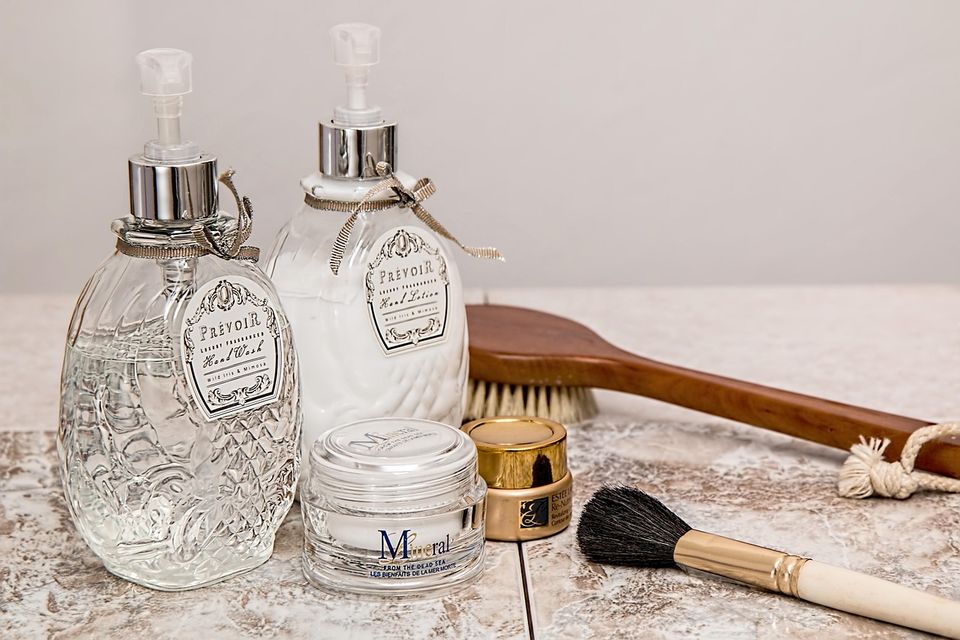
Three products cover most needs: a cleanser, a moisturizer and a sunscreen. Here is what to buy first for a skincare routine under $50, and what to skip.
Hamza Idrissi2 min read
Cheap vs expensive razors: how to cut shaving costs
Cheap vs expensive razors: a basic razor with cheap blades usually shaves as well as a pricey system. Here is how to compare the cost per shave.
Hamza Idrissi3 min read
Does sunscreen expire? How to tell if yours is still good
Does sunscreen expire? Yes, and an old bottle may protect less. Check the date, the smell and the texture, and replace it when in doubt.
Manon Lambert2 min read
Cheap vs expensive shampoo: does the price matter
Cheap vs expensive shampoo: for most people a simple drugstore shampoo cleans as well as a salon one. Here is when to pay more and what to look for.
Hamza Idrissi3 min read