
Three pans beat a 12-piece cookware set
Why buying three good pans one at a time usually beats a big cookware set, with a simple comparison of stainless, nonstick and cast iron.
Manon Lambert3 min read
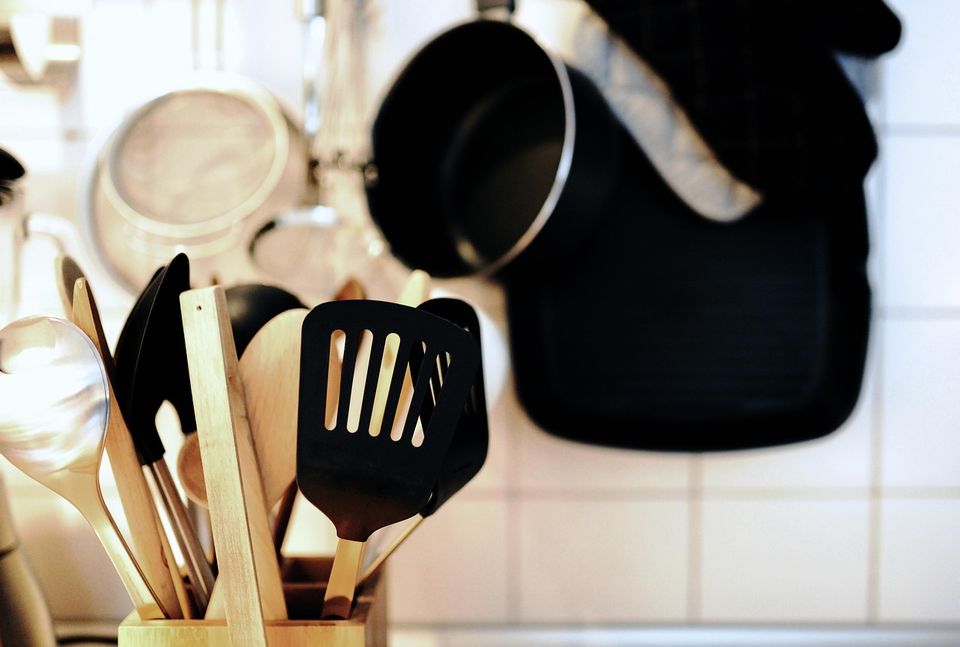
Look in most kitchens and you will find the same thing: three pans used every day and a pile of others that never leave the cupboard.
A big set is cheaper per piece. But if you only use three, the other nine are wasted money and shelf space.
The three pans
A stainless skillet (10 to 12 inch). Sears meat, browns vegetables, makes pan sauces. Lasts for decades if you look after it.
A saucepan with a lid (2 to 3 quart). Rice, pasta, sauces, soup, eggs.
A nonstick or cast iron skillet. Nonstick for eggs and delicate fish. Cast iron for searing, baking and anything that goes in the oven.
Material comparison
| Material | Good for | Watch out for | Typical life |
|---|---|---|---|
| Stainless steel | Searing, sauces, general use | Food sticks without enough heat and oil | Decades |
| Nonstick | Eggs, fish, easy cleanup | Coating wears. Avoid high heat and metal tools | A few years |
| Cast iron | Searing, baking, high heat | Heavy. Needs seasoning and dry storage | Generations |
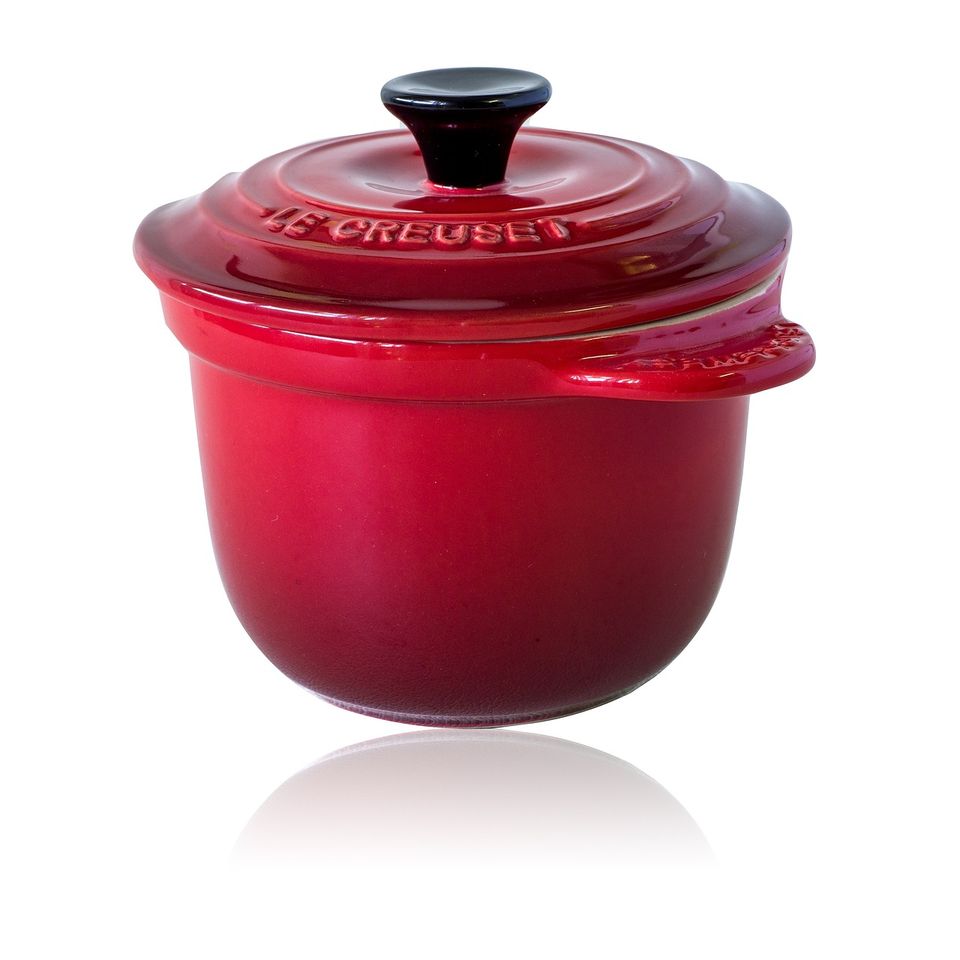
Why not a set
- You pay for pieces you will not use. A fifth pan is rarely used twice a month.
- Sets often use one material. A full nonstick set wears out together.
- Quality varies inside a set. Brands sometimes spend most on the hero piece.
- Storage. A set with lids is bulky.
When a set makes sense
A set can help if you are furnishing a first kitchen from nothing, or if a good one is on a big discount and you know you will use most of it. Count the pieces you would actually use, and compare against buying three.
Check before you pay
- Weight. A pan that feels flimsy will warp.
- Base. A thick base heats more evenly.
- Handle. Should be riveted or firmly attached, and oven safe if you need that.
- Lid fit. It should sit snug.
- Care. Check dishwasher and heat limits for each material.
Walk away if
- The nonstick coating peels in reviews within months.
- The pan has a thin, light base.
- The listing does not say what the coating is made from.
- The handles are loose.
Looking after your pans
Let stainless heat before adding oil. Do not use metal tools on nonstick. Dry cast iron straight away and rub on a thin coat of oil. Looked after, two of the three will outlive the set.
If cost per use is on your mind, see the method here. For other kitchen items worth buying, see kitchen tools worth owning.
More to read
Keep reading
Cheap blender: what to check before you buy one
Buying a cheap blender? Check the motor, jar material and blade design first. Here is what a budget blender can and cannot do, and when to skip it.
Manon Lambert3 min read
Cheap vs expensive kitchen knife: what the extra money buys
Cheap vs expensive kitchen knife: a mid-price chef's knife and a honing steel beat a pricey set for most home cooks. Here is where the money matters.
Manon Lambert4 min read
Kitchen tools worth owning, and gadgets to skip
A short list of kitchen tools worth owning, from a chef's knife to an instant-read thermometer, plus the single-job gadgets that clutter your drawer.
Manon Lambert3 min read
Cheap cookware for a first apartment: what to buy first
Cheap cookware for a first apartment: the short list of pans, pots and tools to buy first, what to buy used, and what to wait on until you need it.
Manon Lambert6 min read
Toaster oven vs toaster: which one earns its counter space
Toaster oven vs toaster: a toaster is cheaper and faster for bread, a toaster oven does more jobs. Here is which to buy based on how you cook.
Hamza Idrissi3 min read
Cleaning supplies you actually need (and 6 you can skip)
Cleaning supplies you actually need are fewer than the aisle suggests. Here is a short list for a home, plus six products that are usually a waste of money.
Manon Lambert4 min read