
Cheap vs expensive kitchen knife: what the extra money buys
Cheap vs expensive kitchen knife: a mid-price chef's knife and a honing steel beat a pricey set for most home cooks. Here is where the money matters.
Manon Lambert4 min read
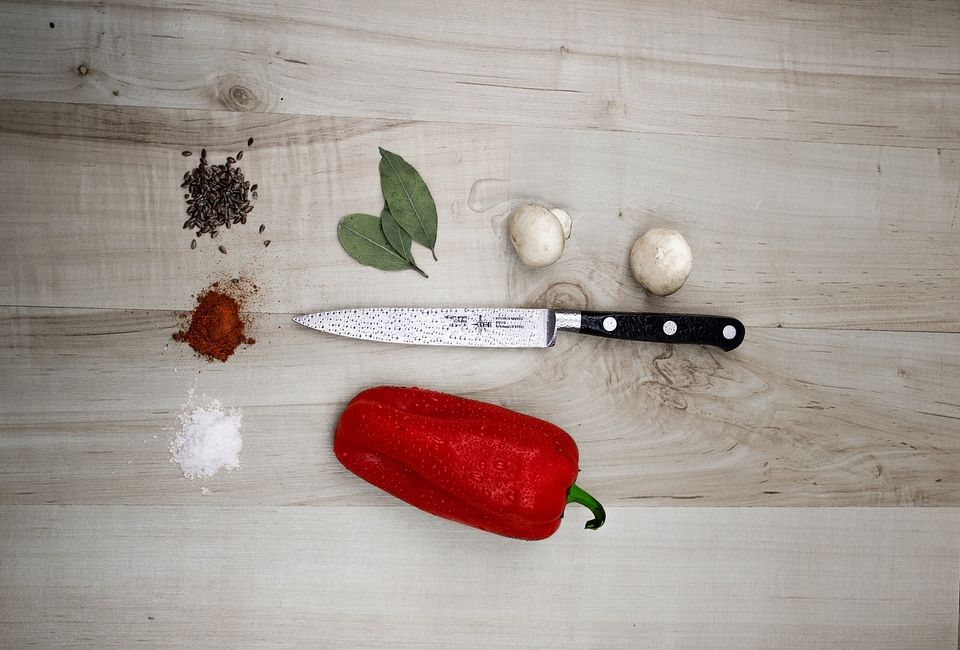
Verdict: buy one mid-price chef's knife and keep it sharp. In the cheap vs expensive kitchen knife choice, a very cheap knife is often soft, dull fast and hard to sharpen. A very costly one is a nice thing to own but does not cut meaningfully better for most home meals. The middle wins.
A dull knife is also less safe, since it slips. So the goal is a knife that can hold an edge and that you can sharpen.
Which wins on
| Factor | Cheap knife | Mid-price knife | Expensive knife |
|---|---|---|---|
| Edge holding | Dulls fast | Good | Very good |
| Balance and feel | Often light and flimsy | Solid | Excellent |
| Sharpening | Hard to keep an edge | Easy | Easy, may need care |
| Lifespan | Months to a few years | Many years | Decades |
| Cost per use | Can be higher | Low | Low, but upfront cost is high |
| Best for | Occasional cooks | Most home cooks | Enthusiasts |
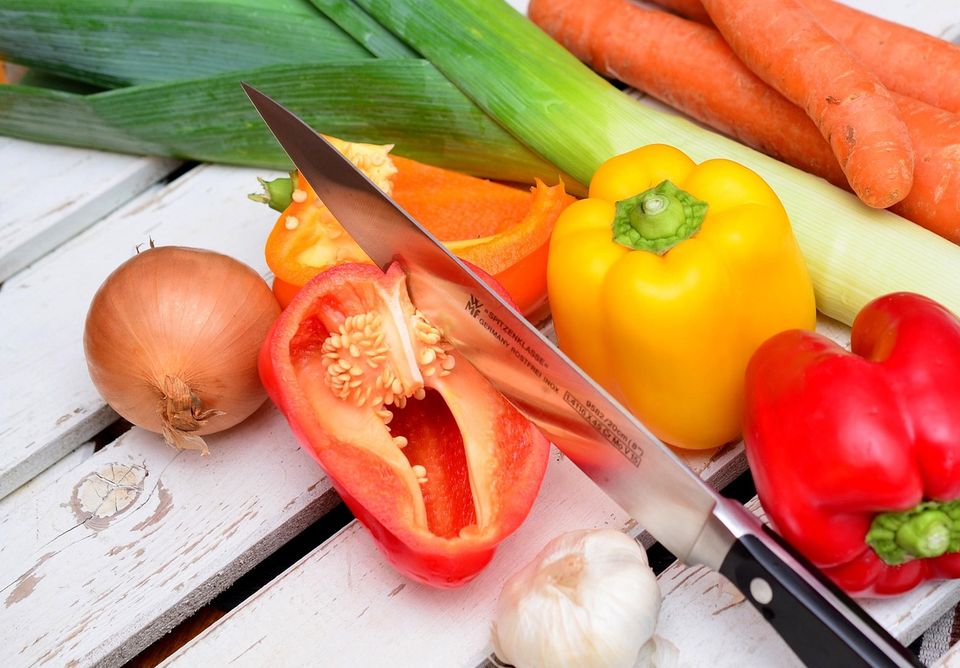
Pick the cheap knife if
- You cook once or twice a week.
- You need a quick spare for camping or a second home.
- You are fine with sharpening it often.
- You are on a very tight budget this month.
Pick the mid-price knife if
- You cook most days.
- You want one knife for everything.
- You will learn to hone it and have it sharpened.
Pick the expensive knife if
- You love cooking and care about the feel.
- You will look after it, with hand washing and proper storage.
- The price does not hurt your other buys.
The cost-per-use math
Example numbers only, not real prices.
| Knife | Price | Years it lasts | Uses per year | Cost per use |
|---|---|---|---|---|
| Cheap | $15 | 2 | 250 | $0.03 |
| Mid-price | $50 | 10 | 250 | $0.02 |
| Expensive | $150 | 20 | 250 | $0.03 |
Look closely: all three costs are tiny. What decides the choice is how the knife feels and how well it stays sharp. If a cheap knife makes you avoid cooking, it costs more than its price. See cost per use, explained.
The rule that matters most: a sharp mid-price knife beats a dull expensive one.
What to check on any knife
- Full tang. The metal should run through the handle for strength.
- Weight and balance. Hold it. It should feel steady, not too heavy.
- Handle comfort. Your hand, not a review, decides.
- Steel. Stainless is easy to care for. Harder steels hold an edge but can chip.
- Blade length. About 8 inches suits most people. If you have small hands, 6 to 7 inches is fine.
- Return policy. A knife that does not fit your hand is a bad buy.
A short caution
Knives are sharp. Keep them out of reach of children. Store them in a block, a sheath or on a magnetic strip, not loose in a drawer. Cut on a board, never on stone or glass. Wash by hand and dry right away, as the maker advises.
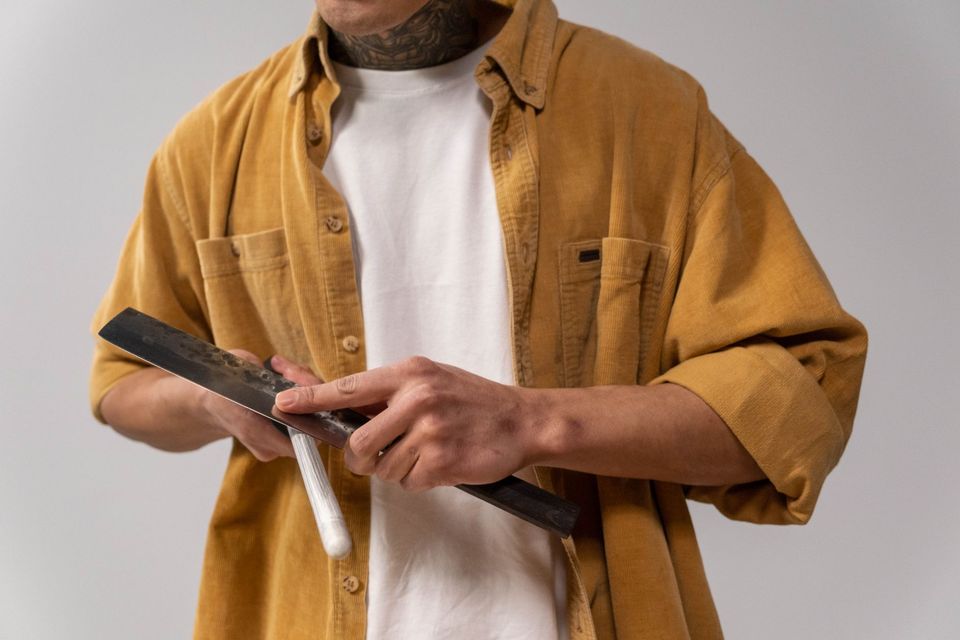
Sharpening matters more than the brand. Honing straightens the edge between uses. Sharpening removes metal to make a new edge. Do both, and get a professional sharpening once or twice a year if you do not do it yourself.
Skip the knife block
A 15-piece block set gives you knives you never use, at a mediocre grade. A chef's knife, a paring knife and a bread knife cover almost everything. Our list in kitchen tools worth owning shows what else is worth buying, and three pans beat a set uses the same idea for cookware.
Quick questions
Do expensive knives cut better?
They can hold an edge longer and feel nicer. For everyday cooking, the gap is smaller than the price gap.
How often should I sharpen a knife?
It depends on use. Many home cooks sharpen once or twice a year and hone often. When the knife slips on a tomato, it is time.
Is a dishwasher bad for knives?
Makers often advise hand washing. Heat, water and bumping can dull the edge and damage handles.
What size chef's knife should I buy?
Eight inches suits most people. Choose a shorter one if you have small hands or little counter space.
More to read
Keep reading
Three pans beat a 12-piece cookware set
Why buying three good pans one at a time usually beats a big cookware set, with a simple comparison of stainless, nonstick and cast iron.
Manon Lambert3 min read
Cheap blender: what to check before you buy one
Buying a cheap blender? Check the motor, jar material and blade design first. Here is what a budget blender can and cannot do, and when to skip it.
Manon Lambert3 min read
Kitchen tools worth owning, and gadgets to skip
A short list of kitchen tools worth owning, from a chef's knife to an instant-read thermometer, plus the single-job gadgets that clutter your drawer.
Manon Lambert3 min read
Cheap cookware for a first apartment: what to buy first
Cheap cookware for a first apartment: the short list of pans, pots and tools to buy first, what to buy used, and what to wait on until you need it.
Manon Lambert6 min read
Toaster oven vs toaster: which one earns its counter space
Toaster oven vs toaster: a toaster is cheaper and faster for bread, a toaster oven does more jobs. Here is which to buy based on how you cook.
Hamza Idrissi3 min read
Cleaning supplies you actually need (and 6 you can skip)
Cleaning supplies you actually need are fewer than the aisle suggests. Here is a short list for a home, plus six products that are usually a waste of money.
Manon Lambert4 min read