
When secondhand beats new, and when it does not
What to buy used to save real money, what to always buy new, and a short check to run before you pay a seller. Solid, simple items are the best used buys.
Manon Lambert3 min read
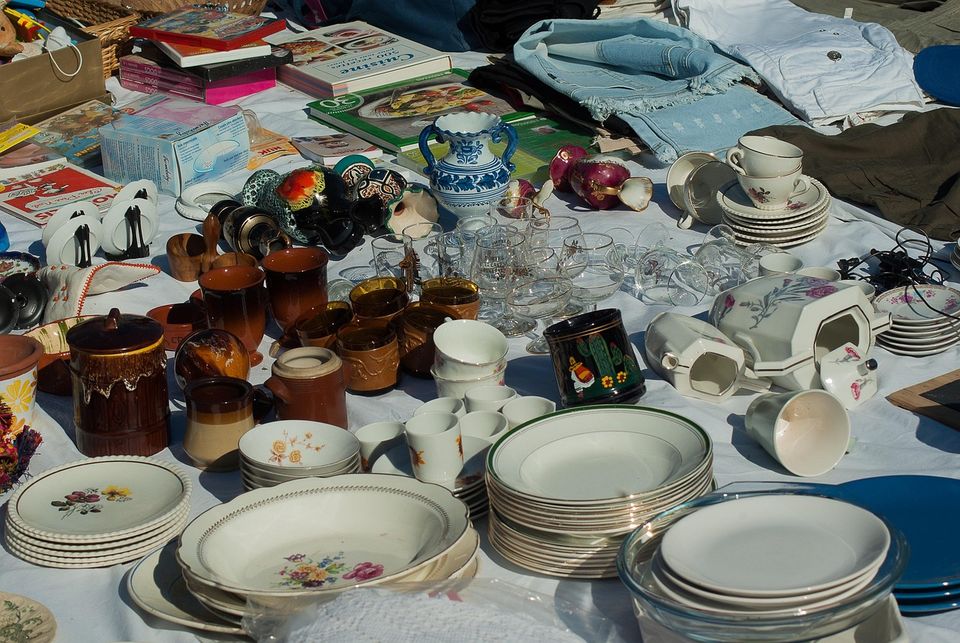
Some things lose half their value the day you open the box. Let someone else pay for that.
Others are riskier used than they are worth. Here is how to tell which is which.
Buy used
- Solid wood furniture. It is heavy, repairable and often better built than new flat-pack.
- Cast iron pans. They last for generations. Rust can be scrubbed off and the pan re-seasoned.
- Books, board games and puzzles. Check that the pieces are all there.
- Tools. A good hand tool lasts. Check for rust, cracks and loose heads.
- Bikes. Often cheaper and better built than a new bike at the same price. Have a shop check the brakes.
- Kids' clothes and toys. They outgrow them fast.
- Cameras and lenses. Look at the shutter count and the glass.
- Formal wear. You will wear it once or twice.
Buy new
- Car seats and bike helmets. You cannot see hidden damage, and they can be unsafe after a crash. Many makers also set an expiry date. The NHTSA used car seat checklist is the one to read if you are tempted.
- Mattresses and pillows. Hygiene and comfort wear.
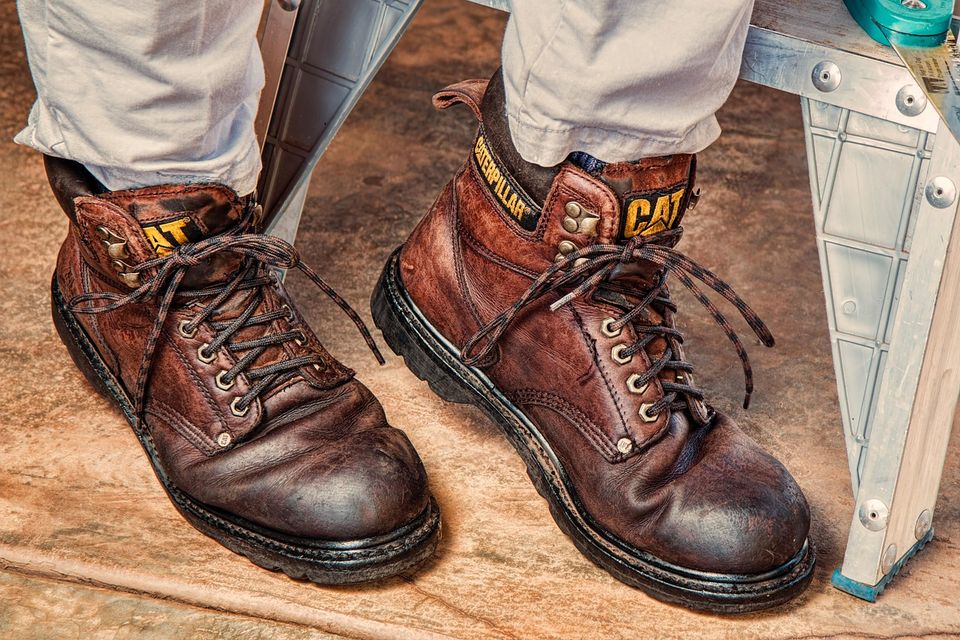
- Underwear, swimwear and shoes worn in. Used shoes have molded to someone else's feet.
- Anything with a battery you cannot replace. Old batteries fade.
- Smoke alarms. They expire, usually after about ten years.
- Makeup and skincare. Open products carry bacteria.
- Small electrics that heat. Frayed cords and worn parts are not worth the saving.
Check before you pay a seller
- Ask why they are selling.
- Ask for photos of the label, the underside and any wear.
- Test it in person when you can. Plug it in. Open it. Sit on it.
- Look up the new price. If the used price is more than 60 to 70 percent of new, it may not be worth it.
- Meet somewhere public. Do not pay in advance for something you have not seen.
The middle path
Open-box and refurbished items from the maker or a trusted store sit between the two. They often come with a warranty, which a private sale does not.
Work out the cost per use for both. For a quick sense of where used makes sense across your whole shop, check the everyday buys table.
More to read
Keep reading
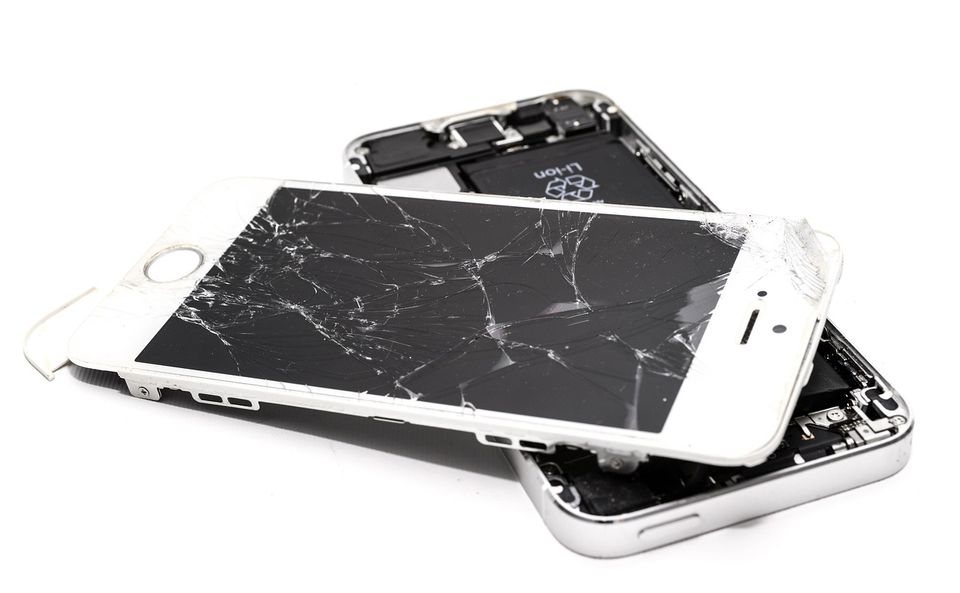
Cheap things not worth buying, even when they are $10
Cheap things not worth buying: single-use gadgets, trend items and safety gear with no markings. Skip these even at $10, and here is why.
Hamza Idrissi3 min read
Is the cheap version a smart buy or a trap?
Seven red flags that a cheap product will fall apart, and a few signs that the low price is fine, so you can tell a smart cheap buy from a trap.
Hamza Idrissi2 min read

How to shop a sale without overspending
How to shop a sale without overspending: a list of what you need, a cost-per-use check and a 24-hour rule that stop 50% off from costing you more.
Hamza Idrissi6 min read

Spend or save: a verdict on 20 everyday buys
Quick verdicts on 20 common purchases, from mattresses to phone cases, so you know where extra money helps and where the cheaper option is fine.
Hamza Idrissi2 min read
Cost per use, explained with real numbers
Cost per use is the price divided by how many times you use it. Here is how to work it out, with round example numbers, and where the math breaks down.
Hamza Idrissi3 min read
What is worth spending more on, and what is not
A simple way to decide what is worth spending more on and where the cheap option does the same job, using cost per use and a few clear rules.
Hamza Idrissi2 min read