
Shoes for standing all day under $100: what to look for
Shoes for standing all day under $100: how to check cushioning, fit and the sole, plus when an insole is cheaper than new shoes. General advice only.
Manon Lambert6 min read
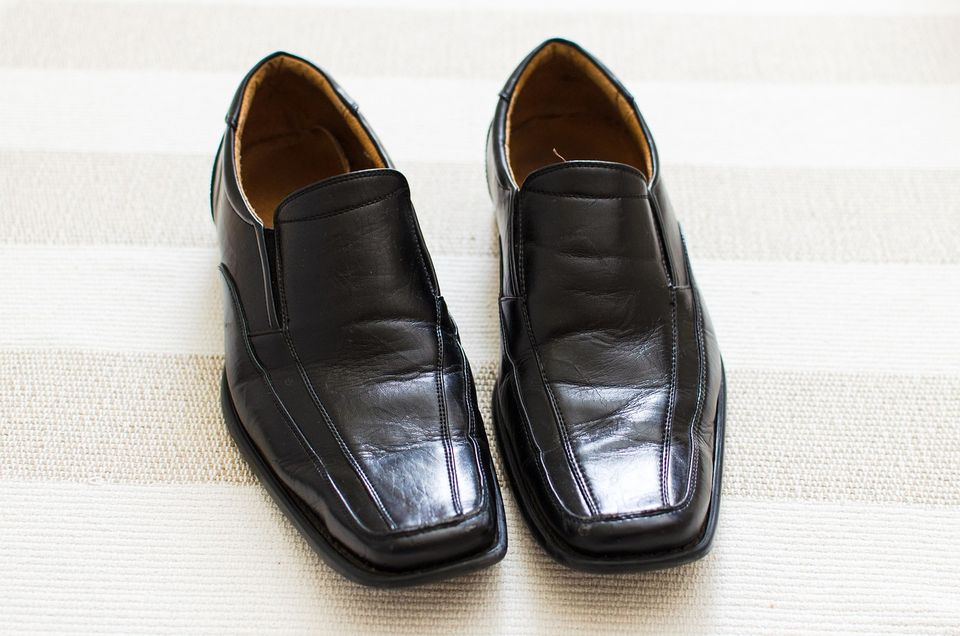
If you stand on a hard floor for 8 hours, your shoes do more work than almost anything else you own. A $80 pair worn 250 shifts costs 32 cents a shift. If that pair makes your feet feel better at the end of the day, that is a cheap fix.
This is general advice, not medical advice. If you have foot pain, swelling or a condition such as diabetes, ask a doctor or podiatrist before you pick shoes.
What matters, in order
- Fit. The best shoe is the one that fits your foot shape.
- Cushioning and support. A sole that absorbs shock and holds its shape.
- Grip. A sole made for your floor, especially if it is wet or oily.
- Weight. Lighter is less tiring, but not at the cost of support.
- Looks. Last.
Ruling: buy for fit and sole. Skip the logo.
Fit checks that save money
- Shop in the afternoon. Feet swell during the day.
- Wear the socks you wear to work.
- Leave a thumb's width between your longest toe and the end of the shoe.
- Your toes should wiggle. A narrow toe box causes pain on long shifts.
- Your heel should not slip. Slipping causes blisters.
- Walk on a hard floor, not just carpet.
Ruling: if the shoe pinches in the shop, it will be worse on a long shift.
What to look for in the sole
At this price you get
- A foam midsole with decent cushioning.
- A rubber outsole with tread.
- A removable insole in many models.
- Light weight and some arch shape.
At this price you do not get
- A custom fit for flat feet or high arches. For that, ask a podiatrist.
- A shoe that lasts for years of full-time use. Most wear out the midsole within a year.
- Both top comfort and top style, in one pair.
Press your thumb into the midsole. It should feel firm but give a little. Too soft can feel nice in the shop and flat after a week. Twist the shoe. It should resist, not fold like a napkin.
Ruling: firm and cushioned beats soft and floppy for standing.
Which type suits your job
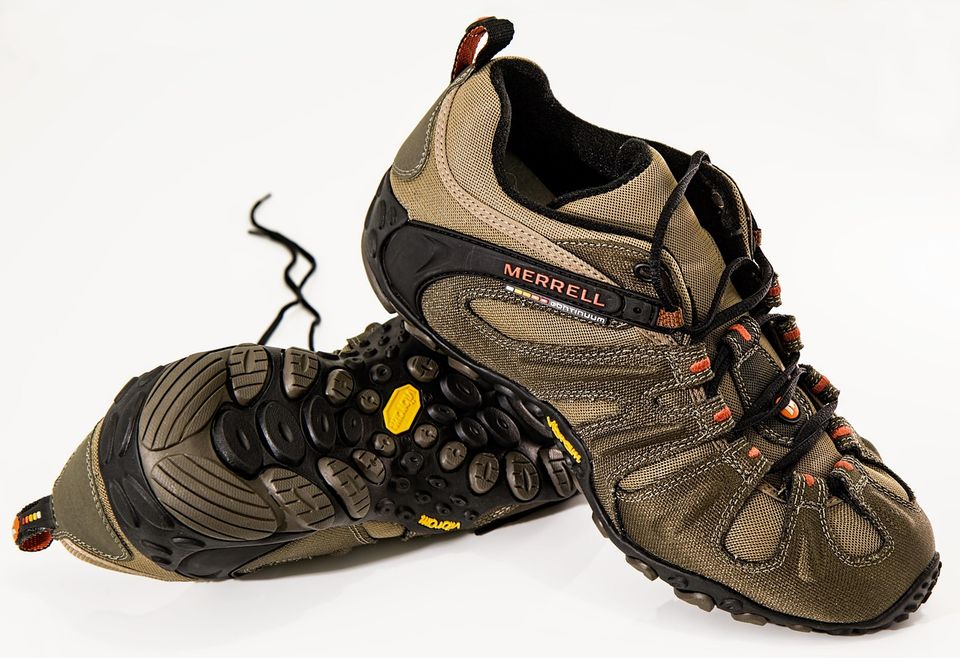
| Job | Floor | Look for |
|---|---|---|
| Kitchen or café | Wet, oily | Slip-resistant outsole, easy to wipe |
| Retail | Hard, dry | Cushioned midsole, light weight |
| Hospital or care work | Hard, long hours | Closed back, roomy fit, good support |
| Warehouse | Concrete | Sturdy sole, maybe a safety toe if required |
Some jobs require safety shoes, such as a steel or composite toe. Check your workplace rules. Safety standards are set by official bodies in your country, so look for the stated rating on the shoe.
Insoles: the cheaper fix
Sometimes the shoe is fine and the insole is flat. A cushioned insole costs a fraction of new shoes and can change how a shoe feels.
Try an insole first if:
- The shoes fit well and the upper is in good shape.
- The sole is not worn flat.
- The only problem is that the footbed feels thin.
Buy new shoes if the midsole creases deeply, the tread is gone, or the shoe leans to one side.
For a longer look at a lower cap, see everyday shoes under $50.
When to replace your work shoes
A rough rule: check every six months for daily wear. Signs it is time:
- The midsole has deep creases.
- The tread is worn smooth.
- The heel is worn on one side.
- Your feet or legs hurt more at the end of the shift than before.
Two pairs that you swap daily often last longer than one pair worn every day, because the foam gets time to recover. Check the math in cost per use, explained.
Where the answer flips
If you stand only a few hours, a regular $50 pair is fine. If you have flat feet, high arches or ongoing pain, a podiatrist can tell you what kind of support you need, and it may be worth spending more. Footwear is a place where paying more is often worth it, as long as the shoe fits.
Socks and habits that help
Shoes are only part of it. Small habits make long shifts easier:
- Wear socks that wick sweat. Cotton holds moisture and can cause blisters.
- Change socks mid-shift if you can.
- Shift your weight and move your legs when you can.
- Use a floor mat if your job allows it.
- Stretch calves and feet after work.
- Take breaks to sit when the rules allow.
Example numbers only: a $15 pack of good socks used for 6 months of shifts, about 125 days, costs 12 cents a day. That is a cheap fix for blisters.
If you notice swelling, numbness or pain that does not go away, speak to a doctor. Do not try to push through it.
Ruling: socks, breaks and mats are cheaper than a second pair of shoes, and they add to what the shoes do.
Online or in the shop?
Try shoes in a shop if you can, then buy where the price is fair. If you order online, check the return rules first and try shoes indoors on a clean floor so you can send them back. A shoe that looks right but pinches is a return, not a "break-in".
Quick questions
Are expensive shoes better for standing?
Not always. Fit and the sole matter more than the price. Some mid-price shoes match higher ones on comfort.
Do I need insoles?
Not always. Try the shoe first. If it fits but feels thin, a cushioned insole can help.
How long do work shoes last?
Often six to twelve months of daily use. Rotating two pairs can help.
What if my feet hurt even in good shoes?
See a doctor or podiatrist. Pain that continues may need more than a new pair of shoes.
More to read
Keep reading
A work backpack under $100: six checks before you buy
How to pick a work or school backpack under $100, from laptop fit to zips and straps, with a cost-per-day check so you know it is worth the price.
Manon Lambert3 min read
Carry-on luggage under $100: what to check before you buy
How to choose a carry-on under $100, soft shell versus hard shell, the airline size rules to check, and the warning signs of weak luggage.
Hamza Idrissi3 min read
Mattress topper under $100: will it fix a bad bed
Will a mattress topper under $100 fix a bad bed? It can soften a firm mattress, but it cannot fix a sagging one. Here is how to tell and what to buy.
Hamza Idrissi4 min read
Office chair under $100: what to check before you sit
Office chair under $100: the five checks that matter, what a cheap chair usually gets wrong, and when to buy used instead of paying for a new one.
Manon Lambert6 min read

Winter coat under $100: how to stay warm for less
Winter coat under $100: warmth comes from fill, fit and layers more than the price. Here is how to pick a coat that lasts, with a cost per winter table.
Manon Lambert3 min read

Monitor under $100: size, panel and ports to check
A monitor under $100 can work well for home and office if you check size, panel type and ports. Here is what to look at and what the price will not give you.
Hamza Idrissi4 min read