
Everyday shoes under $50: what you get and what you do not
What a pair of everyday shoes under $50 can do well, how to check fit and the sole, and which signs say the pair will fall apart within a month.
Hamza Idrissi3 min read
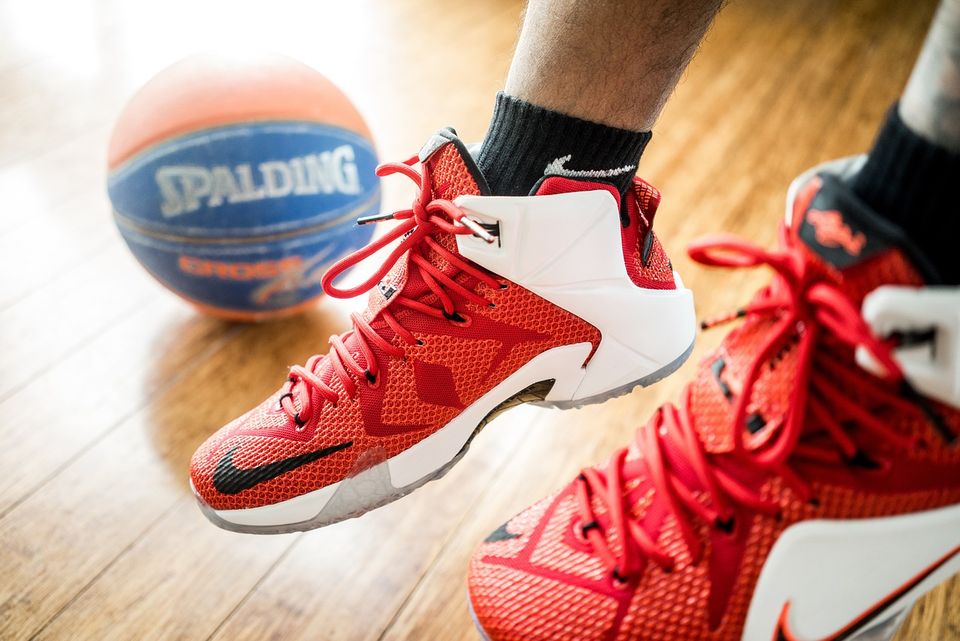
A $45 pair worn about 200 times costs roughly 22 cents a wear. That is a fair deal if they fit well and hold up.
The trick is knowing what $50 can buy and what it cannot.
At this price you get / do not get
You get: - A comfortable everyday shoe for walking, errands and work that is not formal - Simple, clean looks - Light weight
You do not get: - Real arch support for long days on hard floors - A sole that lasts several years - Leather that ages well
Three styles that work
Walking sneaker. The most comfortable pick. Look for a cushioned midsole and a flexible forefoot.
Slip-on. Easy to wear. Check that the heel holds your foot so you do not shuffle.
Canvas shoe. Light, breathable and cheap to replace. Not for rain or long walks.
Check before you pay
- Fit. Leave about a thumb's width in front of your toes. Shop in the afternoon when feet are a bit swollen.
- Sole. Press it with your thumb. It should have some give but not feel hollow. Look at the tread.
- Bend. The shoe should flex where your foot bends, at the ball, not in the middle.
- Stitching and glue. Look for clean seams. Glue spill around the sole is a warning.
- Return policy. Buy only if you can send them back after a walk around the house.
Walk away if
- The sole is a hard, flat slab.
- The insole slides around.
- Reviewers say "runs a full size small" and the listing offers no returns.
- The upper is a single piece of thin plastic.
Make them last
- Rotate between two pairs. Shoes need a day to dry out.
- Do not machine wash unless the label says so.
- Replace the insole if it flattens. A $10 insole can make a $40 shoe feel better.
When to spend more
If you stand or walk for hours each day, shoes are one of the best places to spend extra. Moving up to the $80 to $120 range often gets you better cushioning and a sole that lasts longer. Run the cost per use before you decide. For other items where extra money pays, see what is worth spending more on.

More to read
Keep reading
Bed sheets under $50: how to pick a set that lasts
How to buy bed sheets under $50 that feel good and last: what thread count really means, which fabrics suit you, and the signs of a bad set.
Hamza Idrissi5 min read
Headphones under $50: wired, wireless or earbuds
Headphones under $50 can sound good if you pick the right type. Here is when wired beats wireless, what to check, and what cheap models skimp on.
Hamza Idrissi6 min read
How to pick a watch under $50 that lasts
What a watch under $50 can do well, which water-resistance ratings to trust, and how to tell a good cheap watch from a bad one before you buy.
Hamza Idrissi3 min read
Bath towels under $50: how to pick a set that lasts
Bath towels under $50 can last for years if you check weight, fiber and stitching. Here is what to look at, how many to buy and how to wash them.
Hamza Idrissi3 min read

Desk lamp under $50: what to look for
A desk lamp under $50 should be adjustable, bright enough and warm or neutral in color. Here is what to check, and one feature you can skip.
Manon Lambert2 min read

Cheap vs expensive umbrella: is a pricey one worth it
Cheap vs expensive umbrella: a good one costs more but survives wind and lasts years. Here is how to choose, with a simple cost per rain day table.
Hamza Idrissi3 min read